

Optimizing YouTube metadata is an effective way to boost video rankings and precisely reach your audience. This article will thoroughly explain the essence of it and provide a comprehensive optimization guide to help you create compelling metadata for YouTube.
What Is YouTube Metadata
YouTube metadata contains core information about video content. The YouTube algorithm uses this information to categorize and rank creators' videos, subsequently recommending them to viewers.
Therefore, creators can optimize the video metadata to meet audience search demands, thereby improving SEO rankings and ultimately enhancing channel performance, which in turn increases revenue.
The key components of metadata for YouTube:
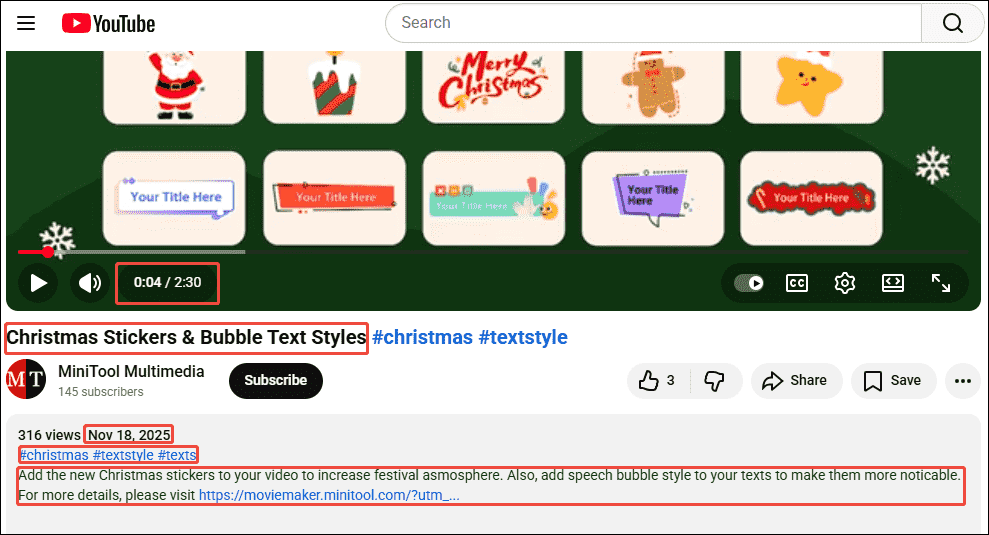
Video title: Video titles typically summarize the content’s theme, enabling them to capture the attention of the target audience quickly.
Date of upload: The video upload date enables viewers to assess the video's timeliness and determine whether it retains reference value.
Video duration: The duration allows viewers to determine whether the viewing time is appropriate.
Description: A brief YouTube video description allows viewers to determine whether the content meets their needs, thereby deciding whether to watch the video.
Video tags: Tags not only make YouTube's algorithm categorize videos based on their content, but also make it easier for your target audience to discover your videos.
Subtitles: Adding subtitles helps YouTube recognize and reference more textual information, making your videos more likely to be recommended and reach a wider audience.
SEO Optimization Guide for YouTube Metadata
To achieve higher rankings in YouTube search results, the key lies in optimizing your YouTube video metadata. This will help your videos get discovered more easily by YouTube's algorithm and better match the search intent of your target audience. Now, you can continue reading to get this detailed metadata optimization guide.
#1 Optimize Keywords
Using appropriate keywords in YouTube video titles, tags, and descriptions can improve your video's ranking in search results. Additionally, it helps precisely target your audience and attract users genuinely interested in your video content.
Therefore, it is necessary for creators to use YouTube SEO tools like TubeBuddy or Keyword Tool to search for and research high-traffic, highly relevant keywords. These keywords should then be naturally incorporated into your video titles, tags, and descriptions.
#2 Craft Effective Titles
Video titles often form viewers' first impression. When writing titles, creators should incorporate relevant keywords as much as possible. Additionally, the most popular and relevant keywords should be placed at the beginning, while maintaining a moderate title length.
YouTube will automatically truncate titles based on device display differences, which may impact video relevance and viewer experience.
#3 Create Rich Video Descriptions
Simply incorporating keywords into metadata is far from sufficient. To accurately reach your audience and earn better recommendations from the algorithm, creating rich video descriptions is crucial. However, this does not mean writing the longest description possible, but rather incorporating information at multiple levels.
Video descriptions should highlight the video's theme and core value within approximately 60 characters. Below the description, you can add affiliate links, subscription links, and links to other videos or playlists. This is a key strategy for directing viewers to visit your website or subscribe to your channel.
Additionally, to boost viewer engagement, you can add chapters to your video descriptions, helping viewers quickly locate content that interests them. This also enables YouTube's algorithm to retrieve more information, thereby increasing your video's visibility. Moreover, you can add multiple hashtags to help viewers find your video content more precisely.
#4 Add Relevant Tags
Adding relevant tags when uploading YouTube videos can also optimize metadata for YouTube. Unlike the aforementioned hashtags, these tags are invisible to viewers and are typically set by creators during the video upload process. When selecting tags, creators should not only use YouTube's auto-recommended tags but also manually choose highly relevant tags.
Furthermore, it is important to avoid overloading videos with excessive tags, as this not only obscures the core content but can also negatively impact search rankings.
#5 Manually Add Video Subtitles
Subtitles are also a crucial component of metadata. While YouTube supports automatically generated captions, these captions are not indexed by the algorithms. Currently, manually added subtitles are deeply indexed by both YouTube and Google's algorithms.
This not only enhances video search relevance but also enables precise matching with target audiences' search queries, significantly impacting video search rankings. Additionally, creators who wish to reach a broader audience and attract international viewers can add subtitle files in multiple languages to their video content.
MiniTool Video ConverterClick to Download100%Clean & Safe
Conclusion
In short, YouTube metadata is a key factor influencing video visibility. By applying the SEO optimization guidelines in this article to refine elements such as keywords, video titles, descriptions, tags, and subtitles, I hope you can effectively boost your video's search ranking and reach a broader audience.
About The Author

Position: Columnist
Jade is an experienced multimedia tech writer who has authored hundreds of guides on screen recording, video editing, and software troubleshooting. Dedicated to bridging the gap between complex technical concepts and user-friendly solutions, she specializes in providing clear, actionable advice.